
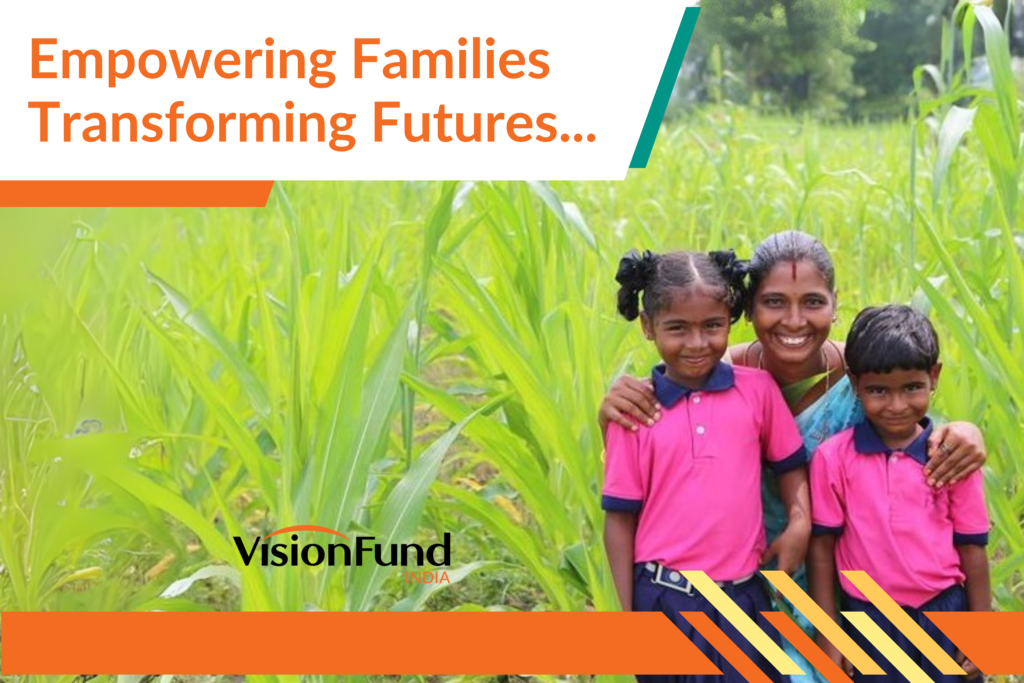
Breaking chains: A Tale of Microloans, Determination, and Ending Intergenerational Poverty in Rural India
Breaking chains: A tale of microloans, determination, and ending intergenerational poverty in rural India
In the small Indian village of Padmavati, Marijula and Rajandran were no strangers to the relentless cycle of intergenerational poverty. With three daughters, each harboring unique dreams, the couple was determined to break free from the shackles of financial struggle that had bound their family for generations .
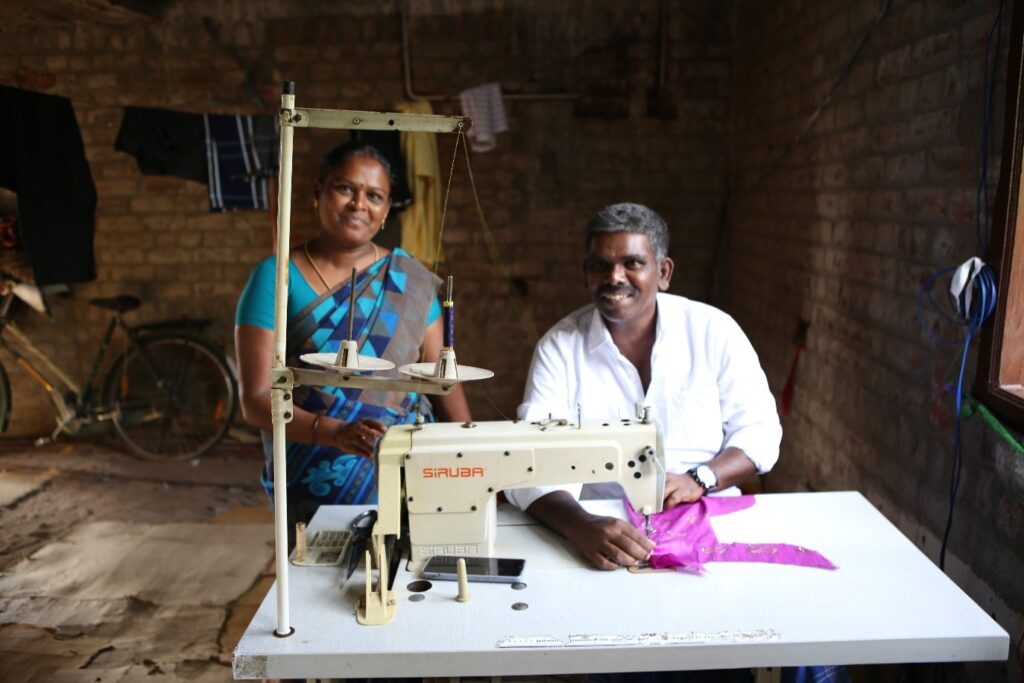
The turning point came in 2017 when Marijula, armed with a fierce spirit and a vision for a brighter future, secured a modest 15,000 rupee loan from VisionFund. This initial investment was the spark that ignited a remarkable journey toward economic independence. The couple invested the loan in a sewing machine, laying the groundwork for a small business that would alter the course of their family’s destiny.
With each subsequent loan, Marijula expanded her enterprise, acquiring newer and more advanced sewing machines. Slowly but steadily, the couple transformed their modest venture into a thriving business, eventually employing two individuals from the community. The days of relying on government assistance and handouts were replaced by the pride of owning two bustling shops.
No longer burdened by the weight of poverty, the family found themselves in a position to dream, and more importantly, to turn those dreams into reality.
The true magic of the microloans manifested in the education of Marijula’s daughters. In a village where educational aspirations often succumbed to financial constraints, the availability of microloans became a beacon of hope. The eldest daughter, once hindered by financial barriers, now stood as a college teacher, a testament to the transformative power of education and parental support.
The middle daughter, fueled by a passion for microbiology, flourished academically with the resources afforded by her family’s newfound financial stability. The youngest, with dreams of becoming a lawyer, saw her aspirations within reach, no longer constrained by the limitations of their past.
Marijula’s story echoed through the village, resonating as a powerful narrative of resilience, determination, and the life-changing potential of microloans. It underscored the intrinsic connection between financial stability and educational opportunities, emphasizing the importance of breaking the chains of poverty for the betterment of the next generation.
As Marijula and Rajandran reveled in the success of their endeavors, they became living proof that ending intergenerational poverty was not an unattainable dream. Through hard work, perseverance, and the empowering force of microloans, they had not only transformed their family’s fate but also ignited a beacon of hope for the entire community. The cycle of poverty, it seemed, had finally been broken, paving the way for a future where dreams were no longer stifled by economic hardship